


COVILIARTE: a journey through art and history in the heart of Frignano
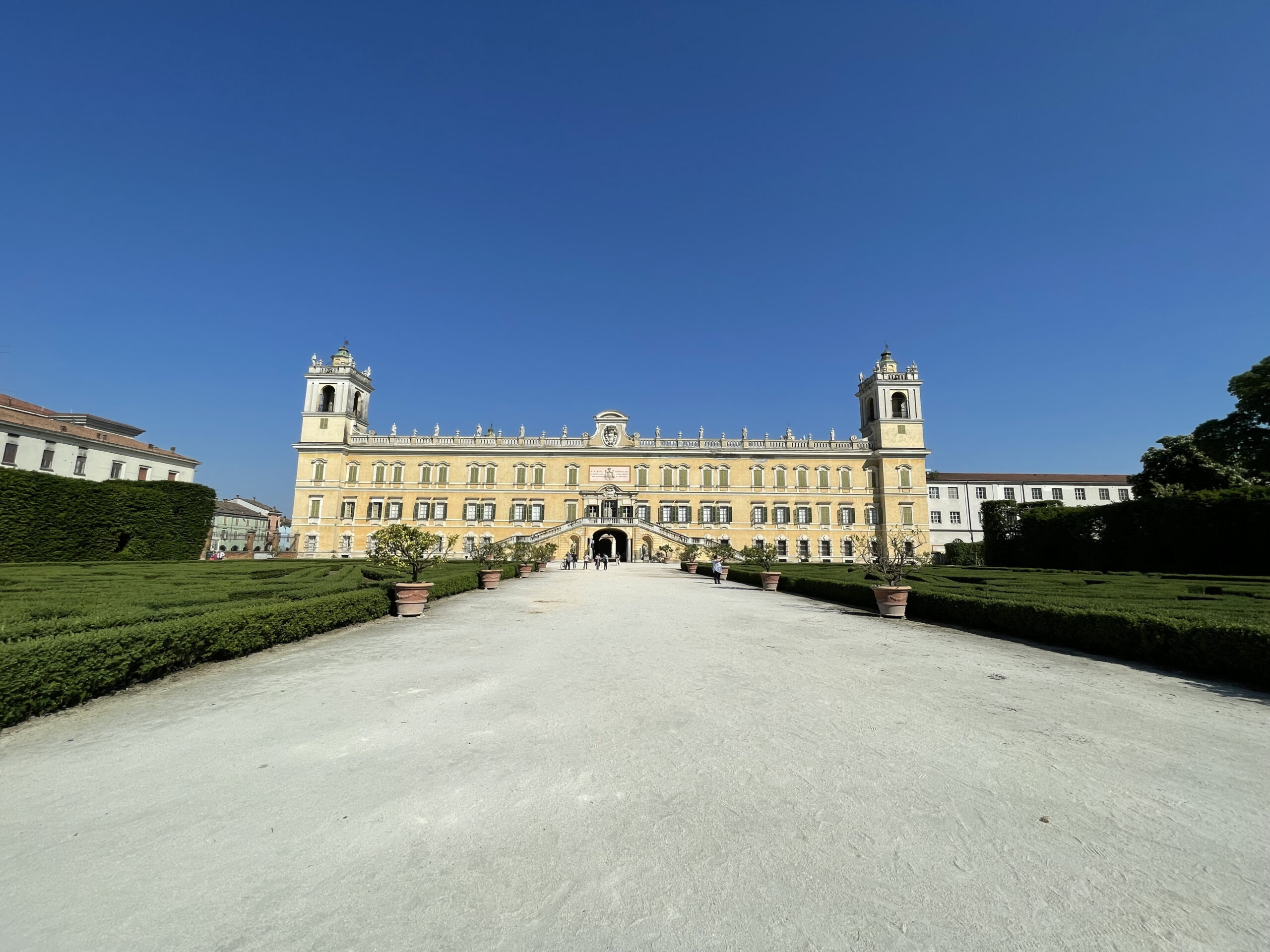
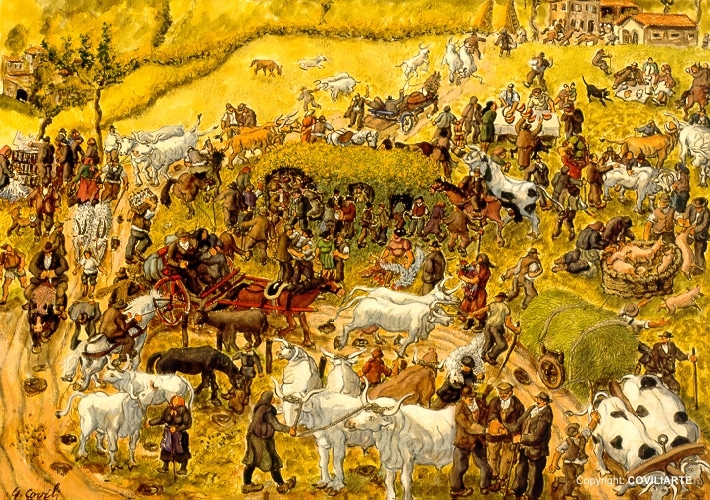
The Gino Covili House Museum, located in Pavullo nel Frignano ( Modena), in the heart of the ModenaApennines, is a place that holds the soul and artistic vision of one of the greatest Italian painters of the 20th century. It is a place where art, history and humanity come together and where each work not only recounts the artist’s lived experiences, but also reflects his deep connection with the territory and the rural world. A visit to the House Museum is an intimate experience, inviting visitors to immerse themselves in the colors, landscapes and epic figures painted by Covili, capable of evoking powerful and universal emotions. Visiting the Covili House Museum is not only an encounter with art, but also an opportunity to connect with the artist’s life and family.
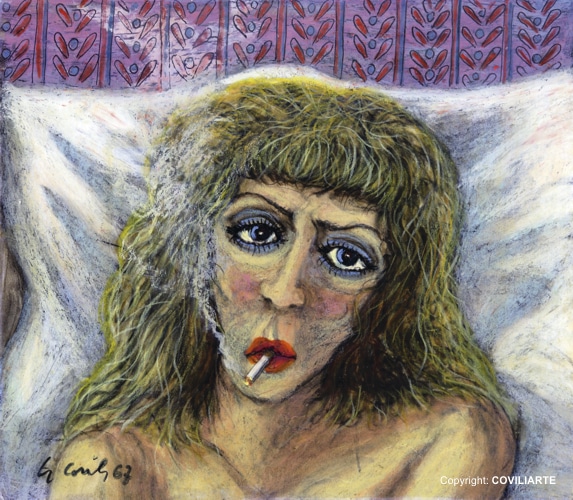
The life of Gino Covili: between realism and epic vision
Gino Covili was born on March 21, 1918, in Pavullo nel Frignano (Modena, Italy) and from a young age showed an extraordinary talent for drawing. Despite his family’s economic difficulties and the early interruption of his studies, Gino never stopped cultivating his passion for art. His encounter with painting came through his experience as a barber’s boy, where he began to portray the faces of characters from films shown at the cinema.
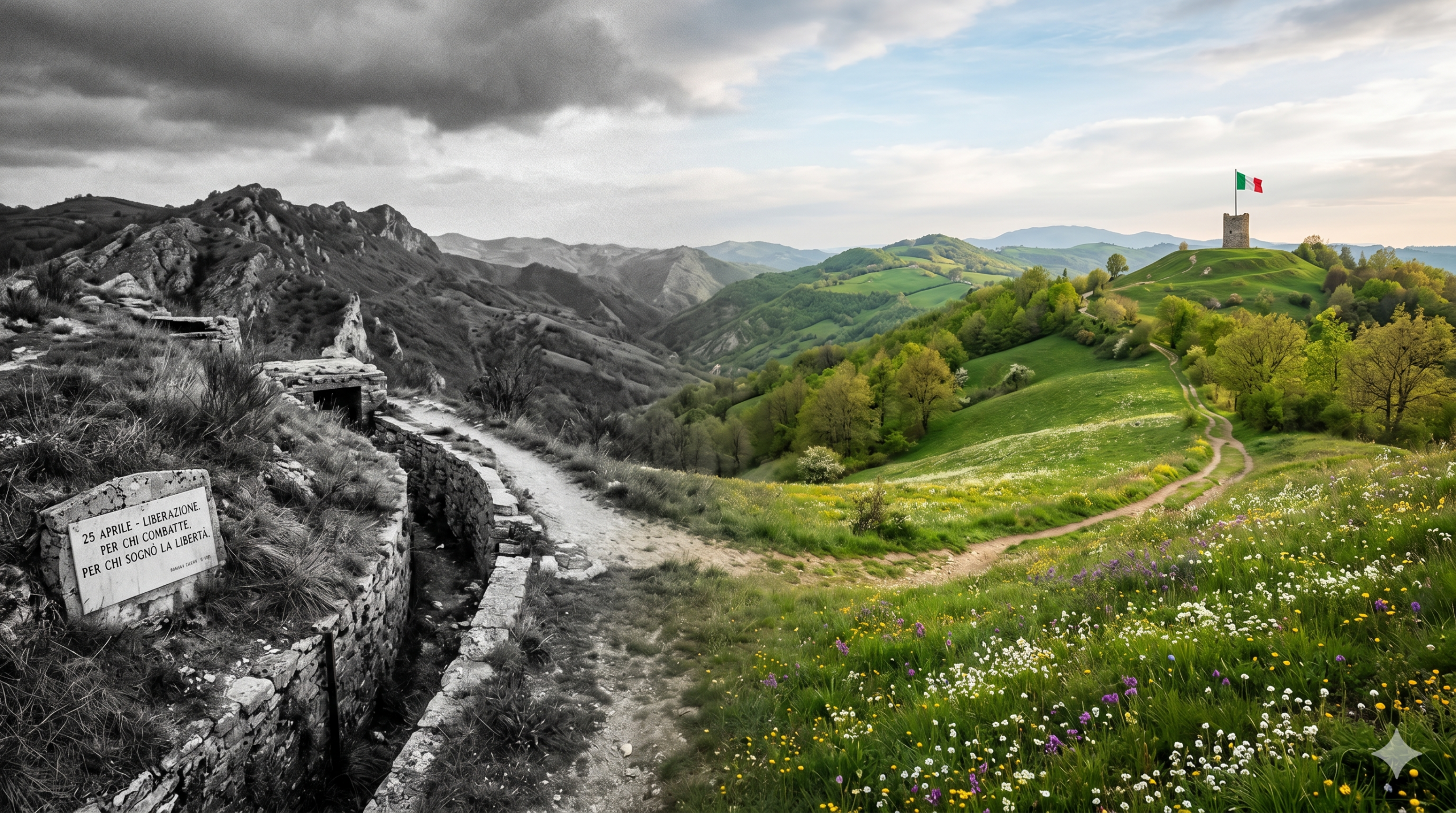
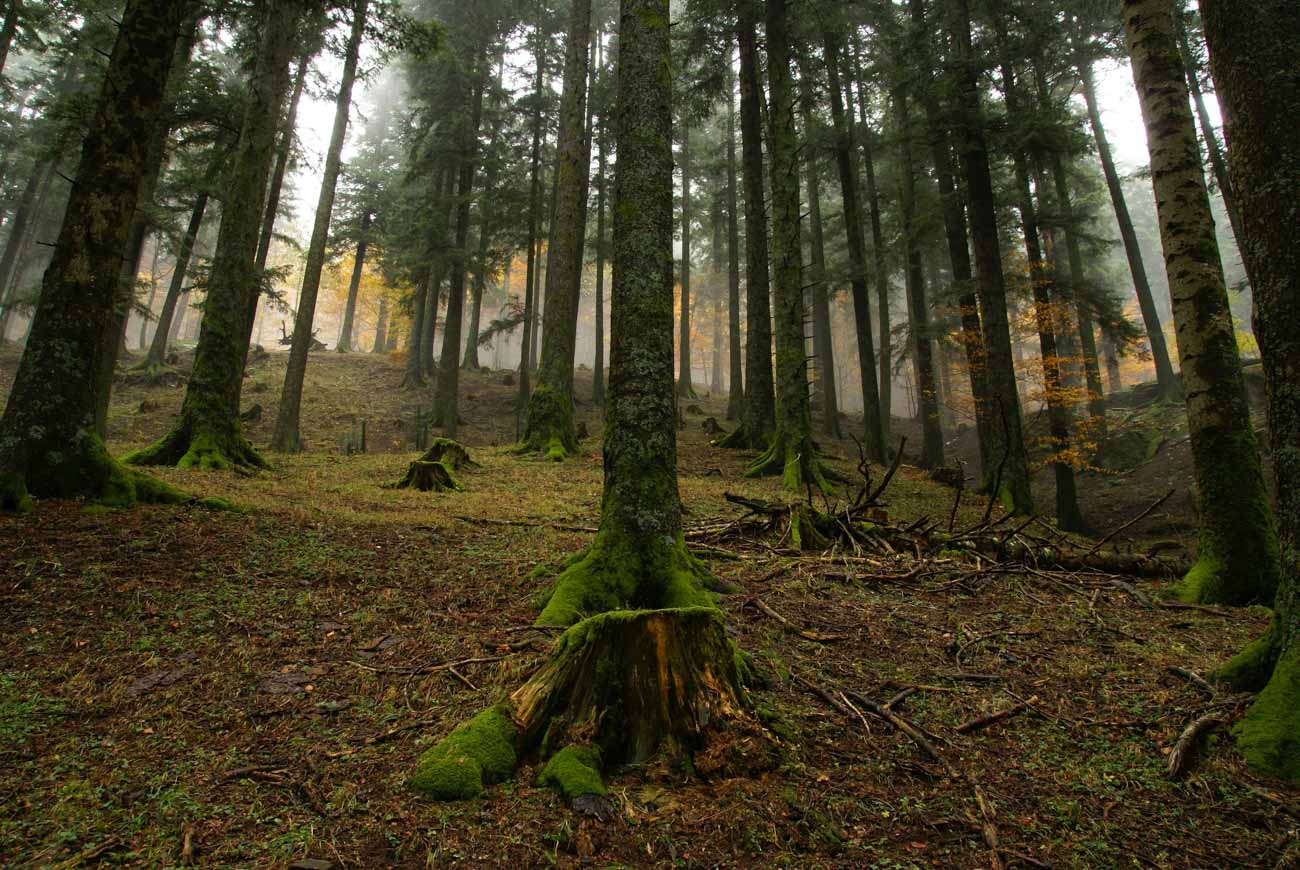
Covili’s life is marked by events that will shape him both as a man and as an artist. During World War II, he joined the Resistance not out of political ideology, but out of love for Freedom. During these years, he also discovered his deep connection with nature, which became a constant source of inspiration in his art. His family recounts that, during the war, living out of doors in the woods, among owls, owls and wolves, forged his artistic and human sensibility, charting a course that would lead him to become one of the most appreciated painters of the 20th century. But it was after World War II that Covili began the real battle for life: he married Albertina, the eldest of 17 siblings who lived in a council house next door to Covili’s. Both are unemployed, but Gino finds work as a laborer at the reclamation company. His only desire, however, is to return to painting.
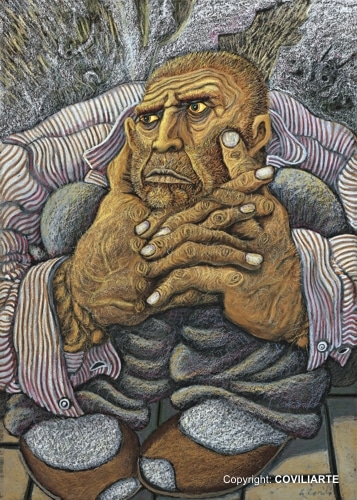
A self-taught artist of great sensitivity
Self-taught, solitary and deeply connected to his land, Gino Covili developed a unique style that eludes critical labels. Although he has often been likened to the naïf movement or expressionist realism, Covili does not identify with any of these definitions, claiming that“one is a painter or one is not a painter.” His incessant drawing activity, made up of instinctive and sanguine jets with India ink and charcoal, led him to confront the reality of his time and come into contact with the cultural elites of the time. A central theme in his painting is his attention to the so-called “last,” which led him to portray figures such as prostitutes and the mentally ill, an aspect that also made him appreciated by Franco Basaglia, the psychiatrist who was a proponent of the law that closed asylums in the late 1970s, bringing about a real radical change in the approach to mental illness.
The last hero: a symbolic painting
A visit to the House Museum is an authentic experiential journey into Covili’s art. One of the most significant paintings from the artist’s last period is undoubtedly“The Last Hero.” Made when he was over eighty years old, this painting reveals a more intimate and spiritual vision than his earlier works. The palette becomes softer and more romantic, while epicism gives way to poetic feeling. The hero is depicted on a white horse, resembling a mythical prince, accompanied by aneagle with large wings, a symbol of freedom and hope.
The eagle, which seems to be flying the horse toward a new light, represents a symbolic journey toward a dimension of hope and rebirth. The painting moves away from the epic tradition to embrace a twilight feeling, a reference to myth and legend. In this painting, Covili seems to want to convey a profound reflection on the human condition, the struggle for survival and the desire to overcome darkness toward a new dawn.